New E-Gates at Newark Airport: A Leap Towards Effortless Travel
Key Takeaways
- New e-gates implemented at Newark Liberty International Airport.
- TSA aims to reduce wait times during the security process.
- Travelers with specific qualifications can use the technology.
- The initiative is part of modernizing airport security across the U.S.
- Enhanced systems are intended to improve passenger experience significantly.
The Introduction of E-Gates at Newark Airport
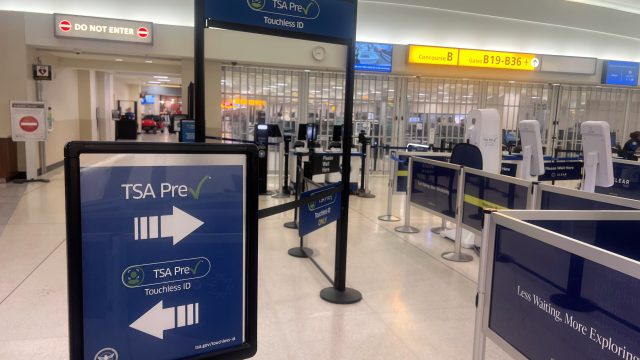
As part of an ongoing effort to enhance airport security and improve passenger convenience, the Transportation Security Administration (TSA) has launched new e-gates at Newark Liberty International Airport (EWR). This cutting-edge technology promises to revolutionize the way travelers navigate through security checks, making the process smoother and more efficient.
The introduction of these e-gates comes at a vital moment, as airports worldwide seek to recuperate from the travel disruptions caused by the COVID-19 pandemic. With increasing passenger volumes, especially in major hubs like Newark, the need for a more streamlined security experience is essential. The e-gates are expected to significantly reduce wait times, allowing travelers to pass through security with greater ease.
How the E-Gates Work
Travelers using the new e-gates will benefit from a hands-free process that utilizes advanced biometric technology. Upon approaching the gate, travelers will need to verify their identity using facial recognition software, which matches their face to the data stored in their travel documents. This seamless integration of technology aims to minimize human interaction during the security check process, thereby enhancing both speed and security.
Eligibility for Using E-Gates
Currently, the new e-gates are available to U.S. citizens and lawful permanent residents who have previously been vetted by TSA. This initiative is part of a broader strategy to modernize security protocols across U.S. airports, with a focus on balancing safety with convenience. As travelers return to the skies and demand for efficient processes grows, the TSA is making strides to keep pace with these expectations.
Why Now Matters: The Changing Landscape of Travel
With the travel industry rebounding, Newark Airport is taking proactive measures to ensure a more manageable and secure environment for passengers. The implementation of e-gates reflects a growing trend within Southeast Asia and the broader ASEAN region, where technology is increasingly being integrated into daily travel experiences.
As airports in Jakarta, Surabaya, and Bali embrace similar technologies, the modern traveler can expect a significantly improved experience. Innovations like the e-gates are not just about speed; they also represent a shift towards a more digitalized approach to airport management and customer service.
Looking Ahead: The Future of Travel Technology
As Newark Airport rolls out these new e-gates, the TSA is paving the way for future innovations that can redefine airport security. With the successful implementation of this technology, we can expect further expansions, potentially including more airports across the United States. The goal is to create a travel environment where security checks are efficient, effective, and enhance the overall passenger experience.
The integration of digital solutions in travel is just beginning. As technology progresses, airports are likely to adopt even more advanced systems. Innovations like e-gates are only the start of a significant transformation that could set the stage for smarter, safer, and more enjoyable travel experiences worldwide.
Conclusion
The launch of e-gates at Newark Airport marks an important step in modernizing airport security and enhancing the traveler experience. As more airports follow suit, the future of travel looks promising, with technology playing a central role in creating a safer and more efficient journey for all.