

Texas Governor's Meat Chopping Video Sparks Controversy Online
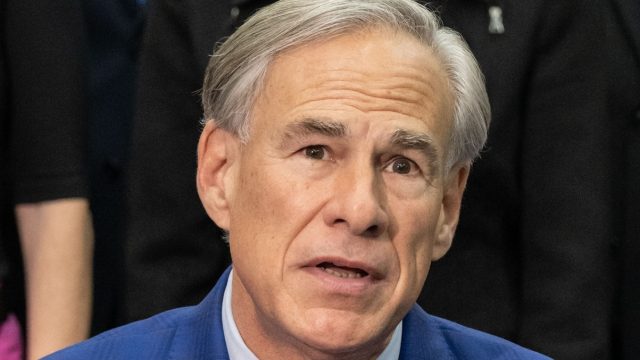
Key Takeaways
- Governor Abbott's video went viral, eliciting mixed reactions.
- The clip showcased his meat chopping skills at a popular Texan eatery.
- Critics labeled the video as cringeworthy, affecting his public perception.
- Social media users expressed discontent regarding his campaign strategy.
- The incident highlights the intersection of politics and digital culture.
The Impact of Viral Videos on Political Campaigns
In today's fast-paced digital world, viral videos can make or break a political figure's campaign. The recent clip of Texas Governor Greg Abbott chopping meat at a Buc-ee's restaurant has spurred extensive discussion across social media platforms. Abbott, who is running for re-election with the endorsement of former President Donald Trump, attracted attention for what many are calling one of the "cringiest" moments in political history.
As observed in numerous cases, online presence plays a crucial role in shaping public opinions. Abbott's video is not just a light-hearted moment; it serves as a reflection of how he is perceived during a pivotal time in his campaign. The reactions have been overwhelmingly mixed, with critics pointing to his lack of authenticity and engaging more with his culinary skills than the pressing issues facing Texas.
The Viral Moment Explained
The footage, which surfaced on August 13, 2026, depicts Abbott skillfully chopping brisket, meant to underscore his Texan roots and culinary prowess. While the intention might have been to connect with voters by showcasing a quintessentially Texan experience, the outcome has been less favorable.
The backlash on social media was rapid, with users critiquing the authenticity of his approach. For many, this video epitomizes a disconnect between Abbott and the everyday concerns of Texans, particularly amid ongoing discussions about healthcare, education, and the economy.
Public Reaction: Are Viral Videos Helping or Hurting Politicians?
The reactions to Abbott's video highlight a growing trend: the dual-edged sword of social media for politicians. While some supporters found humor in the video, others expressed disappointment, suggesting it detracted from serious political discourse.
In an era where online engagement can sway public opinion, Abbott's meat chopping episode is a case study in how quickly a seemingly benign moment can spiral into a larger conversation about credibility and relatability. Critics argue that politicians should remain focused on substantive issues rather than gimmicks that may come off as forced or inauthentic.
Comparative Analysis with Other Political Figures
Other political figures have also faced similar scrutiny over their online personas. For instance, in Southeast Asia, leaders have leveraged social media platforms in innovative ways, showcasing local culture to garner public support. However, missteps can lead to significant backlash, as seen in Abbott's case.
As the Indonesian market and ASEAN region understand, the balance of authenticity and entertainment remains delicate in political narratives. This incident also draws parallels with how social media impacts perceptions in Jakarta, Surabaya, and Bali, where leaders strive to resonate with their constituents while navigating public expectations.
Conclusion: The Future of Political Campaigning in a Digital Age
Governor Greg Abbott's meat chopping video serves as a stark reminder of the increasingly pivotal role that digital content plays in shaping political landscapes. As campaigns evolve, politicians must carefully navigate their public personas, ensuring they remain relevant and relatable to their constituents.
This incident underlines the necessity for political figures to connect authentically with voters while being mindful of how their actions are perceived in the digital realm. With the landscape of political campaigning continuously changing, Abbott's moment serves as a cautionary tale for all political candidates—highlighting the importance of staying grounded in the realities that voters care about most.

