Exploring the Timeless Themes of Woolf's 'Orlando' in Graphic Novel Form
Key Takeaways
- 'Orlando' blends historical and modern narratives.
- The graphic novel adaptation highlights gender fluidity.
- Readers can explore complex themes of identity and time.
- It appeals to both literature enthusiasts and graphic novel fans.
- Current relevance connects it to contemporary discussions on gender.
Introduction to Woolf's 'Orlando'
Virginia Woolf’s 'Orlando' is not just a product of its time; it is a forward-thinking exploration of identity and gender that resonates deeply with today’s societal conversations. Originally published in 1928, the novel delves into the life of a character who transcends gender as they navigate across centuries. With its recent adaptation into a graphic novel, readers are presented with a new visual interpretation that both honors Woolf’s original work and brings it into contemporary relevance.
The Graphic Novel Adaptation
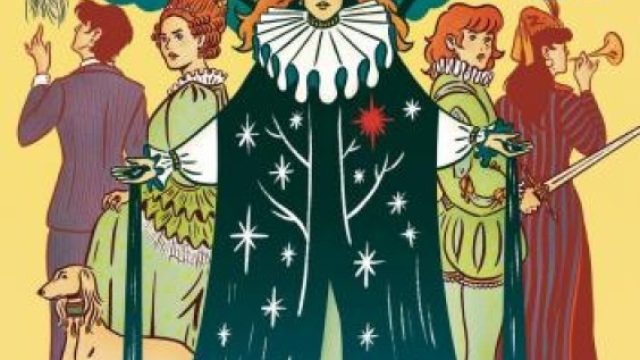
The graphic novel adaptation, illustrated by Jules Scheele, captures the essence of Woolf’s narrative while utilizing the dynamic capabilities of visual storytelling. This format allows for an engaging exploration of complex themes such as gender fluidity and the passage of time. The adaptation is designed to attract not only literary readers but also graphic novel enthusiasts, making it a valuable addition to the book market, particularly in regions like Southeast Asia where graphic novels are gaining popularity.
Why This Matters Now
The relevance of 'Orlando' continues to grow as discussions around gender identity and fluidity become more pronounced in modern culture. As society evolves, the themes explored in Woolf's narrative resonate with current movements advocating for equality and understanding of diverse identities. The graphic novel adaptation makes these themes accessible to a broader audience, especially in countries like Indonesia, where conversations around LGBTQ+ rights and gender issues are increasingly prevalent.
Engaging with the Themes
At its core, 'Orlando' challenges the rigid constructs of gender and identity. Throughout the narrative, Orlando experiences life as both a man and a woman, providing a nuanced perspective on the human experience. This journey is enriched through Scheele’s illustrations, which breathe life into Woolf’s prose. As readers engage with this adaptation, they are invited to reflect on the fluidity of their own identities and the societal norms that shape them.
Conclusion: A Timeless Journey
Woolf’s 'Orlando', now reimagined as a graphic novel, serves as a powerful reminder of the importance of understanding and celebrating gender diversity. Its ability to traverse time, coupled with its rich visual representation, ensures that the story remains relevant and impactful for new generations. As the discourse around identity continues to evolve, adaptations like this play a crucial role in keeping the conversation alive.