

Severe Injuries Prompt Lawsuit Over Kia Rio's Recall: Key Insights
Key Takeaways
- A West Virginia driver suffered injuries due to a fire linked to a Kia Rio recall.
- Kia recalled around 2 million vehicles due to potential HECU-related fire risks.
- The recall notification process has been criticized for lacking transparency.
- Kia plans to send out official recall letters starting in mid-November 2023.
- This situation raises broader concerns about automotive safety measures.
The Background of the Kia Rio Incident
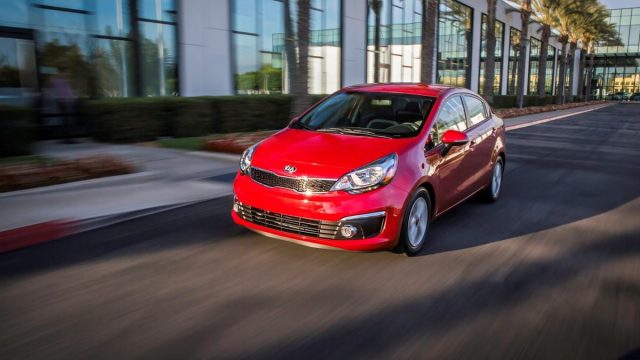
In September 2023, Kia issued a major recall affecting approximately 2 million vehicles, including the 2017 Kia Rio. This decision was prompted by concerns regarding the hydraulic electronic control unit (HECU), which could potentially suffer from short circuits, leading to vehicle fires. The nature of this defect poses risks not only while driving but also when vehicles are parked and turned off.
Rebecca L. Williams, the owner of a 2017 Kia Rio LX, experienced the dire consequences of this defect firsthand. On November 1, 2025, while driving her vehicle, a fire erupted, resulting in her sustaining severe injuries. Williams claims she was unaware of the recall prior to this incident, raising questions about the effectiveness of Kia’s communication strategy with its customers.
The Recall Process and Its Implications
Kia has announced its plans to begin mailing recall letters in mid-November 2023, aiming to inform affected customers about the necessary repairs. The automaker has stated that dealers will be equipped to replace fuses in the control units, which are responsible for regulating the functionality of braking systems. However, Williams argues that she had a scheduled appointment with her dealer on the same day her vehicle caught fire, and she had received no notification regarding the recall.
This incident has raised critical issues about how auto manufacturers handle recalls and communicate risks to vehicle owners. Many consumers rely on manufacturers to inform them about potential hazards, and failure to do so can have life-altering consequences. As the automotive industry evolves, transparency and timely communication must be prioritized to ensure the safety of drivers and passengers alike.
Legal Ramifications and Consumer Safety
The lawsuit filed by Williams not only seeks compensation for her injuries but also aims to hold Kia accountable for their alleged negligence in notifying her of the recall. This case could set a precedent for how auto manufacturers are held responsible for communication lapses that endanger consumers.
In a broader context, this incident serves as a wake-up call for the automotive industry. Consumers in Southeast Asia, including markets like Indonesia, are also vulnerable to similar issues. As more vehicles become equipped with advanced technology, ensuring the safety of these systems must be a top priority. For car owners in regions such as Jakarta, Surabaya, and Bali, understanding the importance of vehicle recalls is essential for safeguarding against potential hazards.
Conclusion: The Importance of Recall Awareness
As the Kia Rio case unfolds, it underscores the necessity of robust recall communication practices within the automotive industry. Vehicle safety is a fundamental right for all consumers, and proactive measures must be taken to prevent tragedies like Williams's from recurring. Awareness of recalls not only protects individual drivers but also promotes a culture of safety that extends across the entire industry.

