

AI in Recruitment: Balancing Trust and Management Challenges
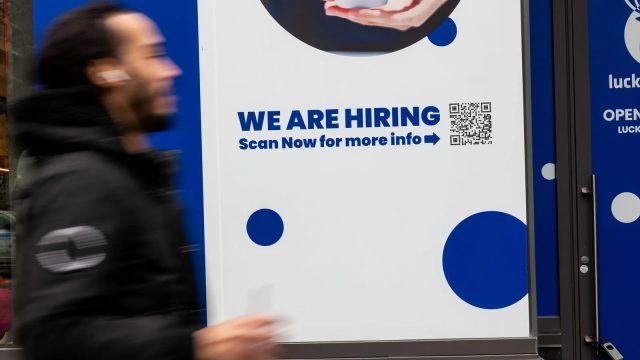
The Growing Role of AI in Recruitment
The landscape of recruitment has undergone a significant transformation in recent years, particularly due to the surge in applications for job vacancies. With the volume of applications tripling, hiring managers are seeking solutions to manage this overwhelming influx. Artificial Intelligence (AI) has emerged as a valuable tool in streamlining recruitment processes, allowing for efficient sorting and screening of candidates. However, this reliance on automation brings forth its own set of challenges that must be actively managed to ensure fairness and effectiveness.
Key Takeaways
- AI tools help manage an increasing volume of job applications.
- Hiring managers still face challenges regarding AI's transparency.
- Automation can enhance efficiency but may introduce biases.
- Active management of AI tools is essential for equitable hiring.
- Understanding AI limitations can help improve recruitment strategies.
Understanding the Trust Factor
According to recent studies, hiring managers indicate a growing trust in AI applications. These tools not only assist in narrowing down candidates but also help in assessing qualifications more efficiently. By utilizing data-driven insights, AI can predict candidate success, potentially reducing hiring time and costs. However, this trust does not come without caveats. Managers must remain vigilant in understanding the implications of AI-driven decisions.
Challenges of Over-Reliance on AI
The integration of AI in recruitment processes is not without its pitfalls. One of the most pressing issues is the potential for inherent biases in AI algorithms. If the data fed into these systems contains biases, the outcomes can disproportionately affect certain demographics, leading to unfair hiring practices. Moreover, many hiring managers express concerns over transparency; understanding how AI makes decisions is crucial for maintaining trust in the process.
The Need for Active Management
In response to these challenges, hiring managers are adopting a proactive approach to AI usage. This includes regular audits of AI systems to identify and mitigate biases and ensure that the technology aligns with the organization's diversity and inclusion goals. Furthermore, training staff on the capabilities and limitations of AI tools is essential for fostering a balanced approach to recruitment.
Balancing AI with Human Insight
While AI can significantly enhance recruitment efficiency, the human element remains irreplaceable. Hiring managers who combine AI's analytical power with their intuition and understanding of organizational culture can make more informed decisions. This hybrid approach not only enhances the recruitment process but also reinforces the importance of human judgment in hiring strategies.
Looking Towards the Future
As AI technology continues to evolve, its role in recruitment will likely expand further. For businesses in Southeast Asia, particularly in fast-growing markets like Indonesia, adopting AI tools will be essential for staying competitive. However, it is equally important to address the management of these technologies to avoid pitfalls associated with biases and lack of transparency.
In conclusion, the reliance on AI in recruitment is a double-edged sword. While it offers significant advantages in managing application volumes and improving efficiency, hiring managers must actively engage in overseeing these tools to ensure fair and effective hiring practices. As the technology evolves, ongoing education and management will be crucial in fostering an equitable recruitment environment.

