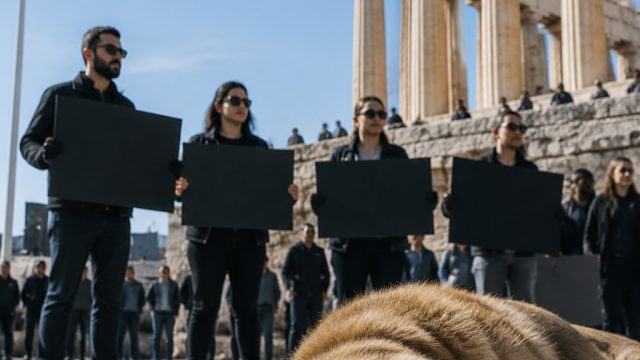
Massive Attack Members Denied Entry to Singapore After Political Protest
Key Takeaways
- Massive Attack's members denied entry due to political affiliations.
- The incident raises questions about freedom of expression in Singapore.
- Political protests are increasingly impacting art and culture in Asia.
- This decision reflects regional tensions in Southeast Asia.
- Artists face potential backlash for political statements globally.
In a significant development that intertwines music and politics, members of the renowned band Massive Attack have been barred from re-entering Singapore. This decision comes in the wake of their recent actions supporting a political cause, specifically the unfurling of a foreign flag during a concert aimed at raising awareness about social issues. This incident has sparked a wider discussion about the relationship between artistic expression and government authority in Southeast Asia.
The Context Behind the Ban
Massive Attack, known for their innovative music and socio-political commentary, has faced challenges in various markets. The recent ban in Singapore underscores a growing trend where governments impose restrictions on artists whose work intersects with political expression. This situation is particularly relevant in countries like Singapore, where the government is known for its tight control over public discourse and assembly.
Political Symbolism in Music
The act of unfurling a foreign flag at a concert served not only as a performance piece but also as a political statement. It was intended to draw attention to various social injustices, resonating with many fans across Southeast Asia, including those in major cities like Jakarta, Surabaya, and Bali. This act of defiance emphasizes how music can serve as a catalyst for political discussion, even in restrictive regimes.
Ramifications for Artists in the Region
This incident raises critical questions about the safety and freedom of artists in Singapore and the wider ASEAN region. Artists often find themselves navigating a complex landscape where their creative expressions may be met with governmental pushback. The ban on Massive Attack illustrates the potential risks that come with standing up for social justice through art.
The Global Impact of Local Actions
The repercussions of this ban extend beyond Singapore’s borders. Internationally recognized artists like those in Massive Attack have a considerable influence on public opinion. By facing barriers in countries where they wish to perform, they highlight the challenges that lie ahead for cultural exchange and freedom of expression. This incident could deter other artists from engaging in politically charged performances in regions where their messages might not be well-received.
Comparative Analysis in Southeast Asia
As seen in recent years, artists throughout Southeast Asia are increasingly vocal regarding political issues. The Indonesian market, for instance, has witnessed similar instances where bands have faced backlash for their social commentary. The complexities of navigating these landscapes can lead to an environment where creative expression is stifled, impacting the cultural richness of the region.
Conclusion
The denial of entry to the members of Massive Attack illustrates a significant moment in the ongoing struggle for artistic freedom in a politically charged environment. As music continues to evolve as a platform for activism, the implications of such actions will likely influence not only the immediate response in Singapore but also resonate across the globe. This incident serves as a reminder of the power of art in questioning authority and advocating for change.