Trump's Threats Against Iran: A New Chapter in Middle East Tensions
Trump's Threats Against Iran: A New Chapter in Middle East Tensions
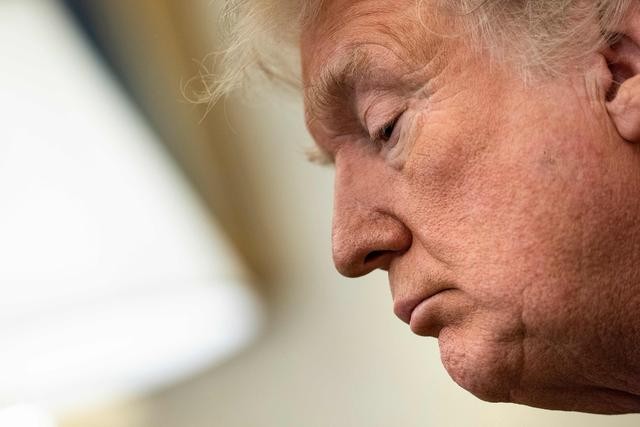
In a significant escalation of rhetoric, former President Donald Trump has issued stern warnings to Iran regarding its support for Hezbollah amid ongoing nuclear negotiations. This development not only heightens existing tensions in the Middle East but also raises critical questions about the future of US foreign policy in the region.
The Current Landscape: US-Iran Relations
The relationship between the United States and Iran has been fraught with challenges for decades. With the Biden administration attempting to revive the nuclear deal initially struck in 2015, Trump's recent threats add complexity to an already volatile situation.
What Trump Said
- Trump threatened military action against Iran if it continues to support Hezbollah.
- He emphasized that US patience is running thin regarding Iran's nuclear ambitions.
- These statements come as US officials engage in peace talks to stabilize Lebanon.
The Implications for Lebanon
Lebanon, a country already grappling with economic collapse and political instability, finds itself at the epicenter of this geopolitical standoff. Trump's threats could lead to:
- Increased military presence in the region by US forces.
- Escalation of Hezbollah's activities as a response to perceived US aggression.
- Heightened tensions among Lebanon's political factions.
Nuclear Talks: A Balancing Act
Amid the backdrop of military threats, the ongoing nuclear talks are crucial. The Biden administration's approach has focused on diplomatic engagement, but Trump's rhetoric poses a significant challenge.
Challenges Faced in Negotiations
- Iran's insistence on lifting sanctions before making concessions.
- The US's demand for stricter compliance with nuclear protocols.
- Internal divisions within the US government regarding the best approach to Iran.
What’s at Stake?
The stakes are incredibly high. A breakdown in talks could lead to:
- Renewed military conflict in the region.
- Global economic repercussions, particularly in oil markets.
- Further deterioration of US-Iran relations, making future negotiations more challenging.
The Broader Impact on Global Politics
Trump's statements are not just a reflection of his personal views but also serve to galvanize his political base while influencing how other nations perceive US foreign policy. The implications extend beyond the Middle East:
Reactions from Key Players
- Allies in the region may feel compelled to take sides, further polarizing the landscape.
- Countries like Russia and China may see an opportunity to expand their influence in the Middle East.
- European nations are caught in a difficult position, balancing their relations with the US and Iran.
The Role of Media and Public Opinion
The media plays a critical role in shaping public perception of these events. With 24/7 news cycles, the narrative around Trump's threats and the nuclear talks will heavily influence:
- Public sentiment toward Iran and its actions.
- Political discourse in the US leading up to the next elections.
- International diplomatic efforts to resolve tensions.
Conclusion: A Call for Caution
As tensions escalate between the US and Iran, it is essential for all parties involved to proceed with caution. The balance between military threats and diplomatic efforts is delicate and crucial for the future stability of the Middle East. Observers and policymakers must remain vigilant as this situation unfolds, recognizing that the consequences of miscalculation could be dire, not just for the Middle East, but for global peace and security.